


Back
Martin Charitable Trust: Strengthening Lives Through Progress and Possibility
Progress becomes more valuable when support continues to make a difference after the immediate need has passed. A medical facility can provide ongoing care. A classroom can welcome new students year after year. Practical training can become the foundation for a livelihood, while a scholarship can help a student continue an education that financial limitations might otherwise interrupt.
This thinking connects many of the initiatives associated with Martin Charitable Trust and the wider social-development activities of Martin Group. The work reaches healthcare, learning, skill development, educational infrastructure, environmental participation and student innovation.
Leema Rose Martin has been closely involved in charitable, educational and healthcare initiatives, while Charles Martin has participated in projects spanning medical infrastructure, education and student-focused science programmes. Together, these activities show how practical resources can turn immediate support into longer-term opportunity.
Martin Charitable Trust and Its Broader Role Beyond Immediate Aid
Different circumstances require different forms of support.
A patient may require urgent medical assistance. A student may need financial help to continue studying. A young person preparing for employment may benefit more from practical training. A hospital may need additional equipment, while a school may need better classrooms and facilities.
The initiatives connected with Martin Charitable Trust address several of these needs through healthcare support, education, livelihood development, environmental participation and infrastructure-focused programmes.
The Leema Rose Martin Health Centre, Project Charles, school-development programmes and skill-building initiatives demonstrate a broader approach: addressing an immediate requirement while also creating resources that can remain useful over time.
This approach also adds depth to Martin Group Corporate Social Responsibility. Social development is not limited to financial contributions alone; it can include facilities, equipment, training and opportunities designed for repeated use.
Leema Martin’s Role in Driving Meaningful Initiatives
Leema Rose Martin serves as Managing Trustee of Martin Charitable Trust and is also the Correspondent of Martin Homoeopathy Medical College & Hospital. Her involvement extends across education, medical assistance, environmental initiatives, animal welfare and women-focused livelihood programmes.
Educational assistance connected with her work includes scholarships valued at more than ₹2.5 crore for students from underprivileged backgrounds. Healthcare initiatives have included medical sponsorship support for more than 360 patients.
Her work also includes projects built around skills and participation rather than financial assistance alone. Project Threlaksha provided sewing machines and three months of free training to single mothers and tribal women, reaching more than 600 women.
Environmental participation has included the Seed Ball Festival 2020 in Ramanathapuram, where students prepared 30 lakh seeds and approximately 2,500 people participated in dispersing them.
These different forms of assistance show how the nonprofit and charitable work associated with Martin Charitable Trust in India can address different needs through practical solutions.
Extending Medical Care to Communities in Need
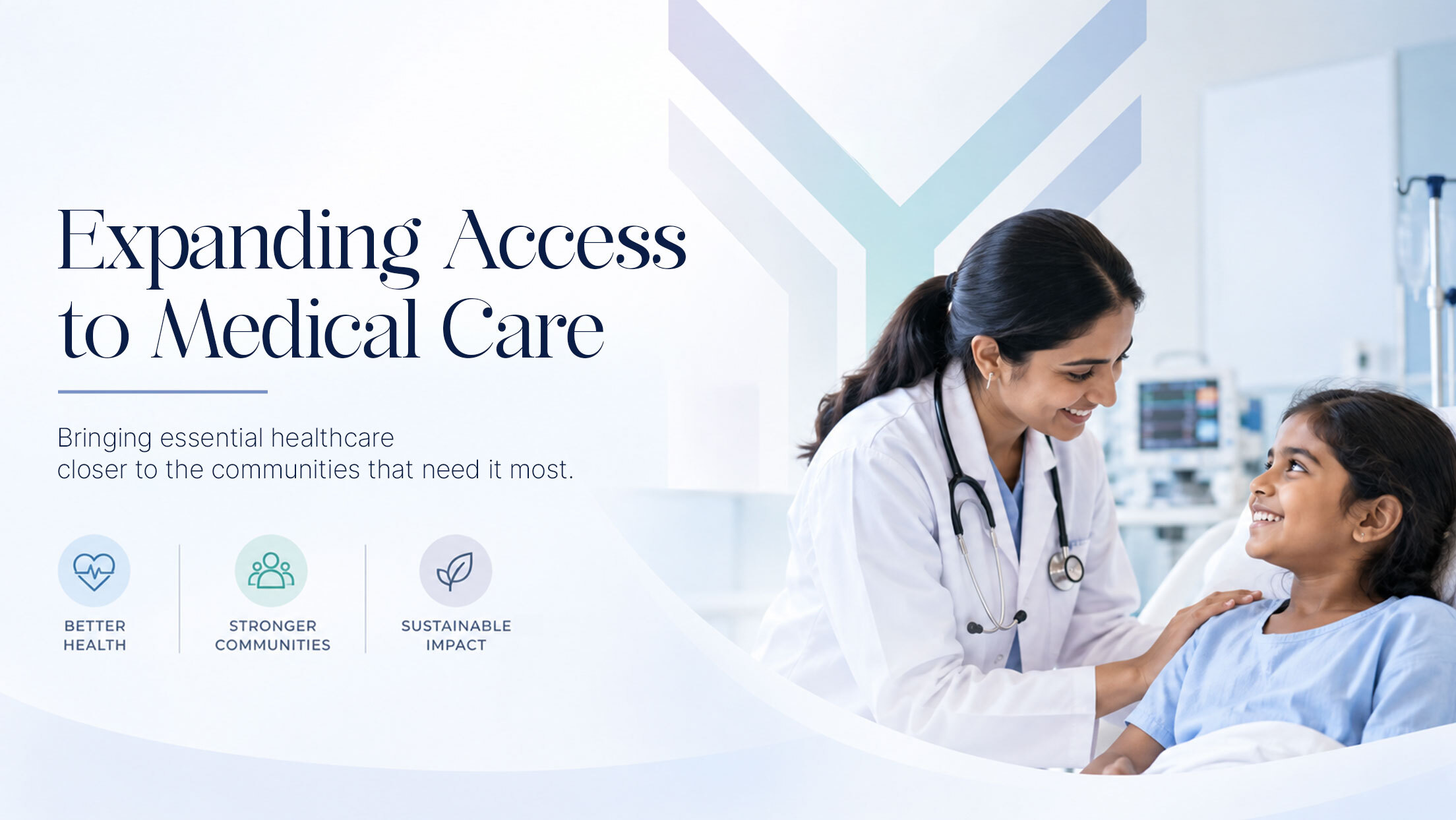
Healthcare support can create greater long-term value when people have access to facilities they can return to whenever treatment is required.
The Leema Martin Health Centre in Thiruvadanai, Tamil Nadu, was inaugurated on January 14, 2026. Martin Group contributed ₹3.80 crore towards constructing the facility, which was developed to provide essential medical care for economically weaker and underprivileged sections.
A permanent health centre has a different role from temporary medical assistance. It becomes part of the healthcare resources available within the area and creates a place where patients can seek care beyond a single programme or event.
The project therefore forms an important part of Martin Group Healthcare Programs and the broader direction of Martin Group Health Initiatives.
It also illustrates an important principle behind sustainable social development: some needs are best addressed by creating infrastructure that remains available.
Project Charles and Dialysis Support in Puducherry
Healthcare infrastructure became another focus through Project Charles, carried out on February 18, 2026 through a collaboration between Martin Group and Rotary International.
The initiative provided 14 dialysis machines valued at ₹1.25 crore to three healthcare institutions in Puducherry:
- Kidney Center Hospital – 7 machines
- Pondicherry Institute of Medical Sciences – 4 machines
- Cluny Hospital – 3 machines
The donation ceremony was led by Jose Charles Martin, Managing Director of Martin Group, and Leema Rose Martin.
Dialysis frequently requires repeated treatment, making equipment capacity an important part of renal healthcare. Adding machines to hospitals already providing treatment strengthened the resources available within their existing medical systems.
Project Charles therefore represents a practical healthcare intervention. Instead of creating a separate system, the initiative added equipment directly where treatment was already being delivered.
It also gives Charles Martin a distinct place within Martin Group’s healthcare activities, complementing his involvement in education, technology and student-focused programmes.
Martin Homoeopathy College and Medical Learning
Healthcare is supported not only by infrastructure but also by the people trained to work within it.
Martin Homoeopathy College, formally known as Martin Homoeopathy Medical College & Hospital, was established in 2000. The institution was created under Santiago Martin’s initiative with an emphasis on making homoeopathic medical education accessible to rural students at affordable rates.
The institution offers the Bachelor of Homoeopathic Medicine & Surgery programme and includes an associated hospital and a 5,000-square-foot inpatient department.
Its role differs from scholarship programmes and school infrastructure. While those initiatives help people gain access to learning, a medical college develops professional knowledge directly connected with healthcare.
Leema Martin’s position as Correspondent further connects Martin Homoeopathy College with her wider involvement across healthcare and education.
Within Martin Group Education Initiatives, the college represents a long-term form of development in which learning, professional preparation and medical services operate within the same institutional environment.
Chemman Academy and Career-Focused Skill Building
For many young people, education becomes most useful when it also prepares them for employment and future opportunities.
Chemman Academy was developed at Seekoorani Village near Kaalaiyar Kovil in Sivaganga district after Chemman Trust brought the concept to Martin Group. Martin Group contributed two acres of land and constructed the skill-development centre at a cost of ₹1.5 crore.
The academy was developed to provide learning opportunities covering areas such as:
- Government examination preparation
- Computer training
- Soft-skills development
Leema Rose Martin participated in the inauguration alongside representatives from education, government and Martin Group.
Chemman Academy adds another dimension to Martin Group Education Initiatives. Instead of concentrating only on conventional academic pathways, the centre focuses on skills that can help learners prepare for examinations and employment.
The land and physical infrastructure provide the setting, while training gives that infrastructure its practical purpose.
Project Threlaksha and Women’s Livelihood Support
Livelihood development works best when resources are combined with the knowledge required to use them.
Project Threlaksha, an initiative associated with Leema Rose Martin, focused on single mothers and tribal women. Participants received sewing machines along with three months of free training, and the programme reached more than 600 women.
The combination of equipment and training is significant.
A sewing machine provides a physical resource. Training builds the ability to use that resource productively. Together, they create a stronger foundation for participants seeking to develop practical skills and income opportunities.
Project Threlaksha therefore represents a livelihood-focused part of Leema Martin’s wider social initiatives. Rather than treating recipients only as beneficiaries, the programme provided both a tool and the training needed to put that tool to use.
This type of skill-based assistance adds another layer to the nonprofit and charitable initiatives associated with Martin Group and Martin Charitable Trust.
Scholarships That Open New Opportunities
Infrastructure alone cannot solve every educational barrier.
A student may have access to a school or college but still face financial circumstances that make continuing education difficult. Scholarships address this problem directly at the individual level.
Educational initiatives associated with Leema Rose Martin include scholarships valued at more than ₹2.5 crore for students from underprivileged backgrounds.
Scholarships play a different role from classrooms, colleges or training centres.
A classroom creates a place to learn. A skill centre provides access to practical training. A scholarship helps an individual continue using those educational opportunities.
Together, these different forms of support create a broader picture of educational development-one where physical infrastructure and individual opportunity work alongside each other.
This relationship contributes to the wider Martin Group Community Impact created through education-focused initiatives.
Environmental Action Through Public Participation
Development is also connected with the environment people share.
The Seed Ball Festival 2020 in Ramanathapuram brought environmental activity and public participation together. Students prepared 30 lakh seeds, which were later dispersed with the participation of approximately 2,500 individuals.
The initiative stands apart from projects centred on medical equipment or educational construction because participation itself was a major part of the activity.
Students became directly involved in preparing seed balls, while a wider group took part in dispersing them. This gave participants an active role rather than positioning them only as recipients of assistance.
Environmental action therefore adds a different dimension to Martin Group Social Impact. Healthcare strengthens individual well-being, education develops knowledge and opportunity, while environmental participation connects people with the spaces and natural resources shared by a wider population.
Charles Martin and Student Innovation Programs
Jose Charles Martin serves as Managing Director of Martin Group. Alongside his business responsibilities, he has been involved in student-focused science and technology initiatives.
In 2023, his involvement extended to the Dr APJ Abdul Kalam Satellite Launch Vehicle Mission, organised with the APJ Abdul Kalam International Foundation and Space Zone India. The project included 150 PICO satellite research experiment cubes created by 5,000 students.
An earlier student programme in 2021 involved participants designing and launching 100 Femto satellites using a high-altitude scientific balloon.
This direction continues with the RHUMI TWIN Mission. Martin Group joined Space Zone India and Global Help International Foundation as a mission partner and contributed ₹1 crore towards the programme.
The mission is scheduled for October 10, 2026, in Chennai and is planned to provide more than 15,000 students with exposure to space technology and mentorship. As of August 2026, the launch remains an upcoming initiative.
These programmes bring a different dimension to learning. Instead of limiting education to conventional classrooms, they introduce students to experimentation, aerospace concepts and hands-on scientific participation.
From Immediate Assistance to Long-Term Development
Social needs do not all operate on the same timeline.
Medical sponsorship may be required immediately. A family affected by hardship may need urgent assistance. In contrast, a health centre, school facility or skill-development centre is built with a longer period of use in mind.
The initiatives associated with Leema Rose Martin include medical sponsorship support for more than 360 patients, while longer-term projects include healthcare facilities, dialysis equipment, scholarships, skill development and educational infrastructure.
Both forms of support have distinct purposes.
Immediate assistance responds to a present need. Long-term development attempts to increase the resources, skills or facilities available for the future.
The Leema Martin Health Centre provides a permanent healthcare location. Project Charles adds dialysis equipment to existing hospitals. Chemman Academy provides infrastructure for repeated training programmes. Project Threlaksha combines equipment with skills participants can continue using.
This progression-from assistance to access and from access to capability-forms an important part of Martin Group Corporate Social Responsibility.
Creating Resources That Continue to Serve
The lasting value of an initiative can often be seen in what remains available after its launch.
At Wedderburnpet Government Middle School in Coimbatore, Martin Group contributed a total of ₹1.60 crore across multiple phases. Facilities inaugurated in January 2026 included classrooms, sanitation facilities, a playground and an open auditorium.
The inauguration was led by Leema Rose Martin in her roles as Director of Martin Group and Managing Trustee of Martin Charitable Trust.
At Loyola College, Martin Group contributed ₹1 crore towards the construction of four classrooms in the Shyam Kothari Centenary Building. The contribution was presented by Charles Martin and Leema Martin in August 2025.
These projects give Martin Group Infrastructure Development a practical social dimension.
A classroom can welcome successive batches of students. A dialysis machine can support repeated treatments. A skill-development centre can train different groups over time. A health centre can continue receiving patients. A scholarship can help a student progress through an important stage of education.
Each initiative addresses a different need, but they share one characteristic: the support is designed to leave something useful behind.
That principle connects the wider story of Martin Charitable Trust, Leema Martin, Charles Martin and the social initiatives associated with Martin Group.
Progress does not always begin with a large transformation. Sometimes it begins with access to treatment, a place to learn, a practical skill, a piece of medical equipment or an opportunity that was previously out of reach.
When those resources continue to serve, support moves beyond the moment in which it was given-and becomes a pathway towards greater possibility.